
Concept Note
The 2026 Primary Postmortem Project
We're running a nonpartisan and nonprofit study of how campaigns developed their AI and technology policy positions in the 2026 midterms and where that momentum is headed now.
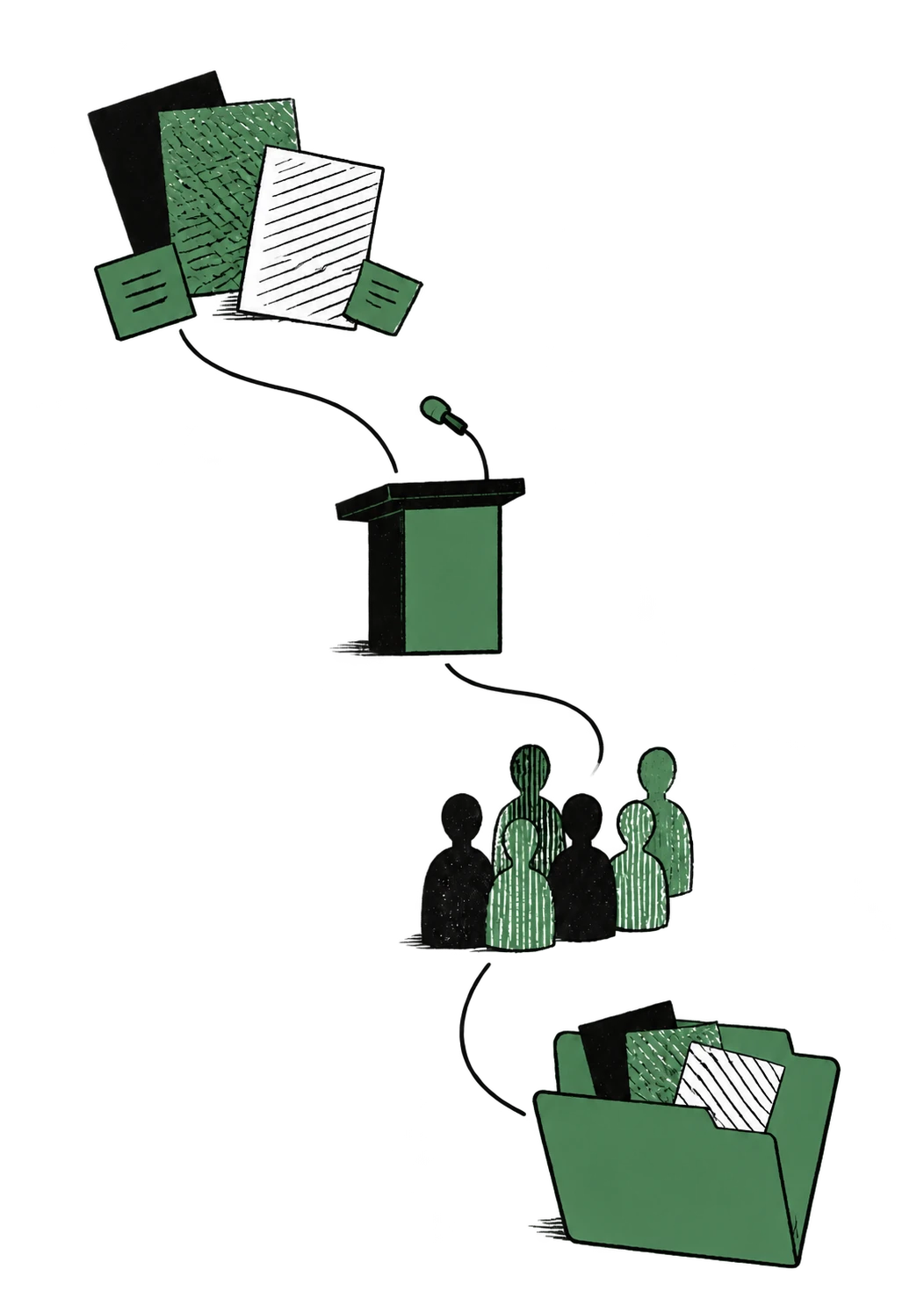
Candidates developing technology platforms accumulate tacit knowledge on donors, consultants, and what voters respond to, and much of it dissolves instead of diffusing when their races end.
Since the emergence of frontier AI systems, nobody has systematically asked candidates how technology positions get built, deployed, and defended inside a campaign. In the 2026 cycle, hundreds of congressional candidates were forced to develop positions on AI, data centers, automation, and crypto, often for the first time, usually under time pressure, and increasingly under the attention of industry money. Some of those positions connected with voters, many did not.
We’re conducting structured interviews with campaigns in the 2026 congressional elections, covering how their tech platforms were built (especially who influenced them), what landed with voters, and what they would do differently. We want to interview both winning and losing candidates, where possible both during the campaign and after it has ended. There are advantages to interviewing candidates at all of these stages: to understand how policy ideas developed, how messaging is changing in response to signals during a campaign, and then reflect on it afterwards. Jump to timeline
Who we are
The Compact Project1 does not spend in races. This project is built around knowledge-sharing and coordination and is both non-partisan and non-profit.
We are outside the party committees, outside of well-established think tanks, and outside of industry, which means we can ask questions and publish answers that few others can. We will also honor any participant’s request that their statements be aggregated or anonymized.
Select a topic or output to read more.
The interviews2
 Provenance
or how the platform was developed/where the platform came from
Provenance
or how the platform was developed/where the platform came from
Walk me through the first time AI came up in your campaign. How did you decide on who actually wrote your tech platform? How would you characterize this policymaking process?
 Contact
or who reached out and what was on the offer
Contact
or who reached out and what was on the offer
Who approached you, at what point in the race, and what was the ask?
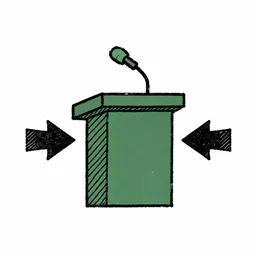 Pressure
or what it cost to hold a position
Pressure
or what it cost to hold a position
Did you ever soften or avoid a position?
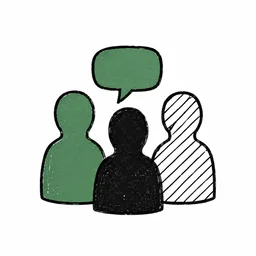 Reception
or what reached voters
Reception
or what reached voters
Which parts of your platform landed with constituents, and which didn’t? How could you tell?
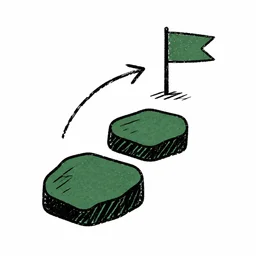 Momentum
or what happens next
Momentum
or what happens next
What does your party need to do to develop a coherent AI platform?
Our aim is a comprehensive set of interviews, across the aisle and across the country. We’ll pair this work with quantitative analysis using voting and polling data. Whereas some organizations and PACs may direct resources on a small number of candidates, we hope to do a broader landscape mapping that serves as a public good during a technological transition is reshaping our infrastructure and institutions.
Outputs
 Report
A descriptive account of how technology policy was made and received across 2026 campaigns, published in various forms, e.g. a DC-facing form (for staffers, consultants, party operatives), a public-facing form (NYT/Atlantic) for general readers, an industry form.
 Playbook
Candidate-sourced lessons for 2028 Congressional elections.
 Coordination
Building relationships with 2028 candidates creating AI platforms, drawing on what their 2026 predecessors learned.
 Bench/pipeline
A standing network of former candidates, staff, and consultants who’ve already run this race once, so parties and future candidates have somewhere to draw talent and institutional memory.
Timeline
September–October 2026: Interview candidates who lost their primaries.
September–November 2026: Interview candidates who won their primaries and are actively campaigning ahead of the general election.
Late November 2026–January 2027: Postmortem interviews with both winning and losing candidates after the general election.
Spring 2027: Publication and playbook release, timed ahead of 2028 candidate recruitment.
1 The Compact Project is the working name for a forthcoming project on technology policy.
2 These categories and questions will evolve as interviews with candidates and their staff kick off.